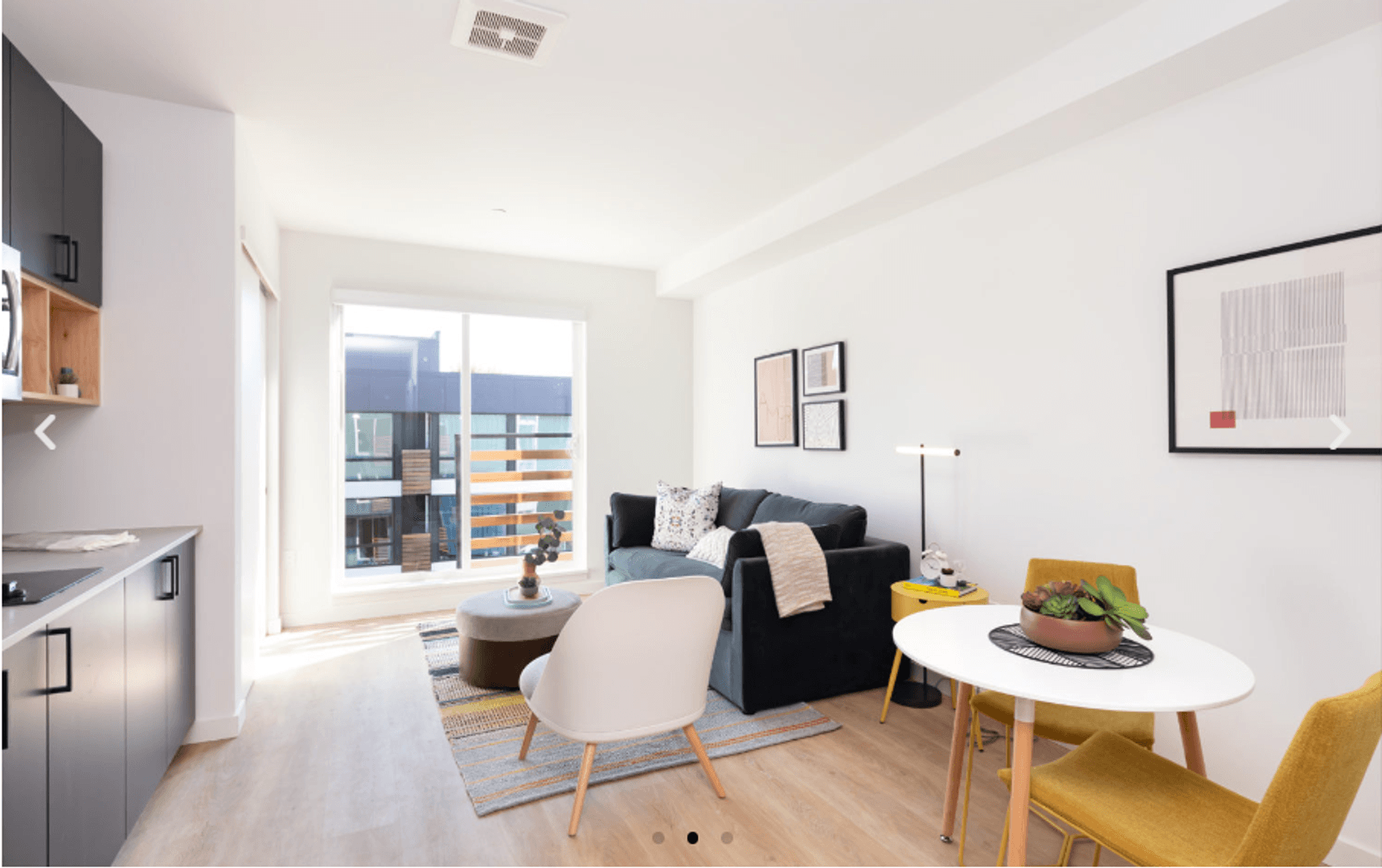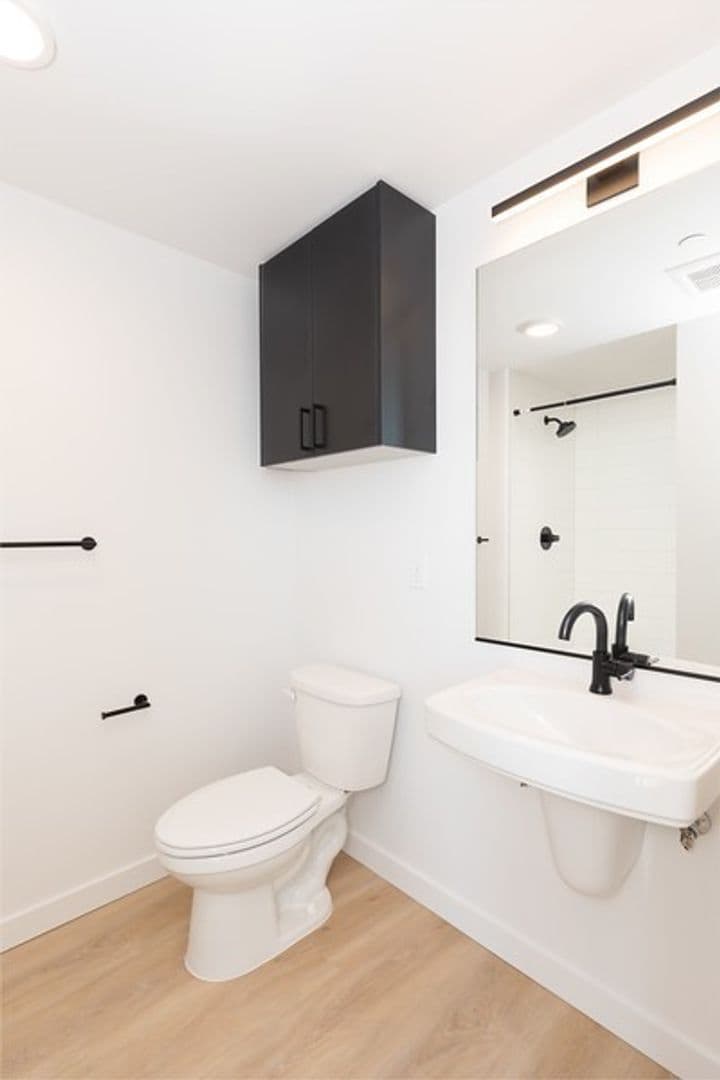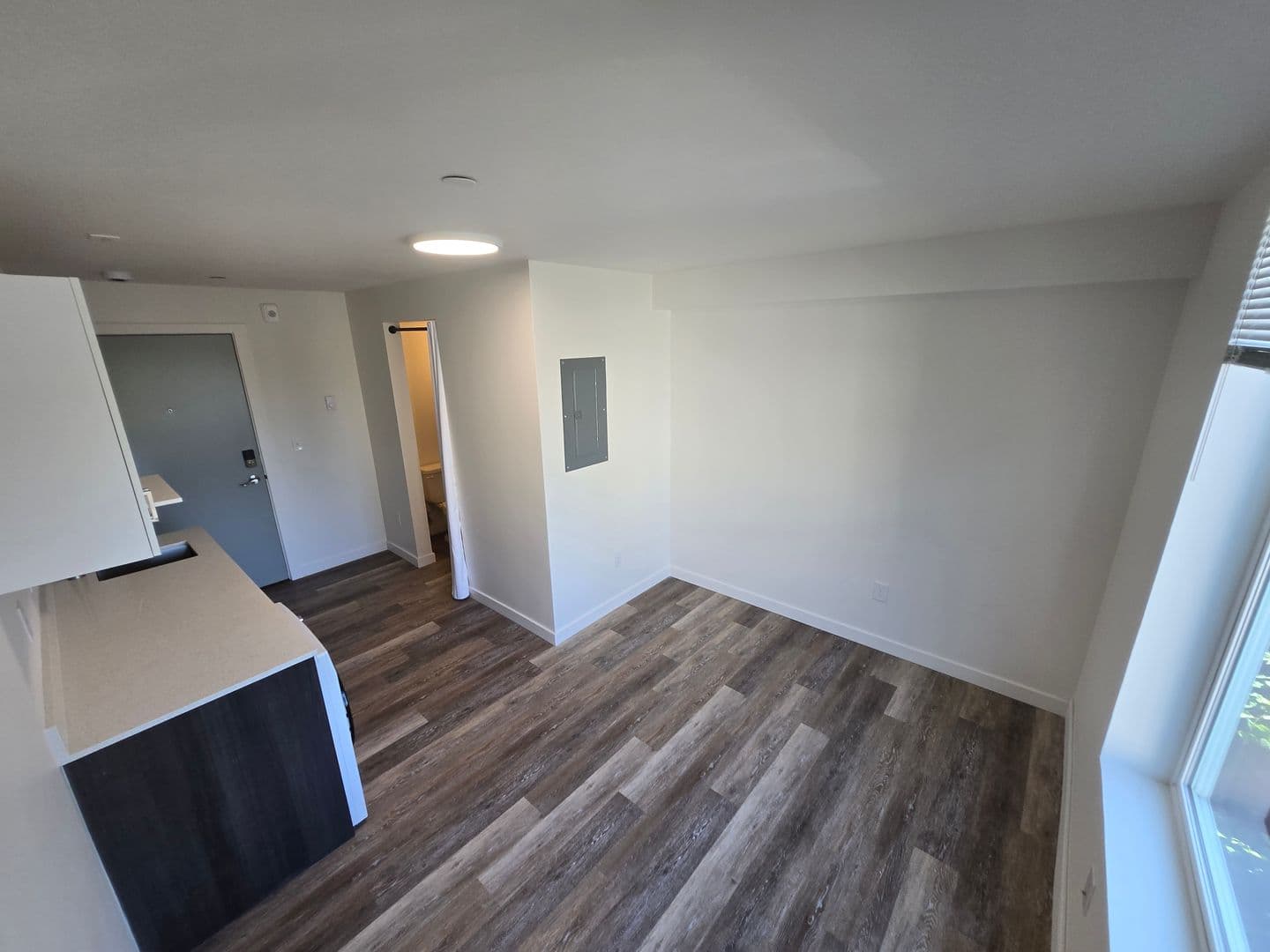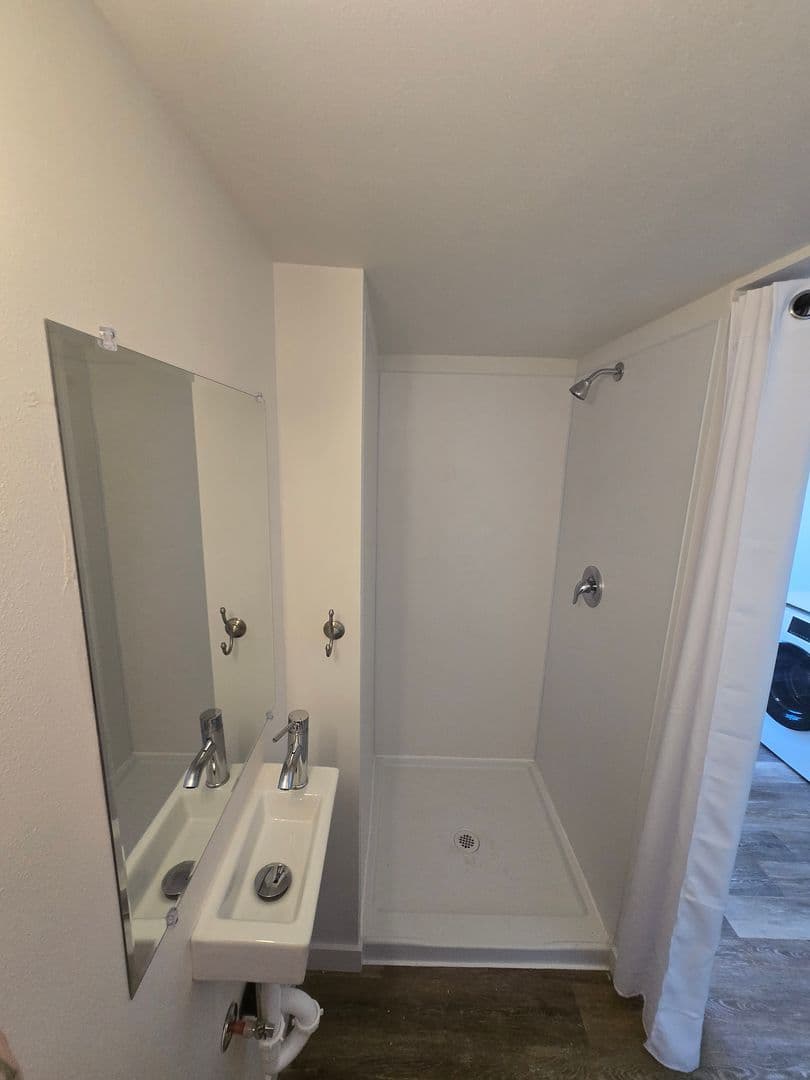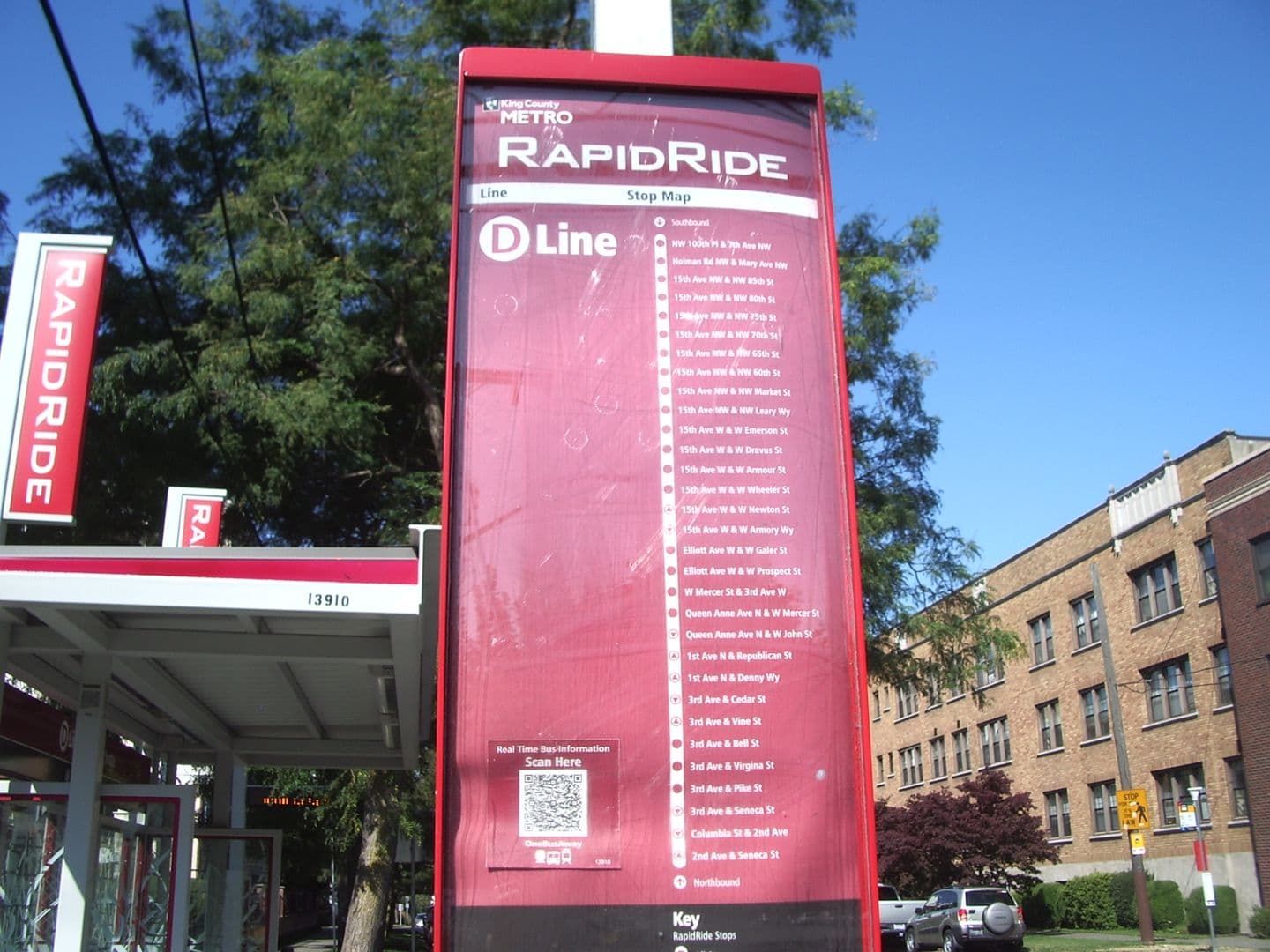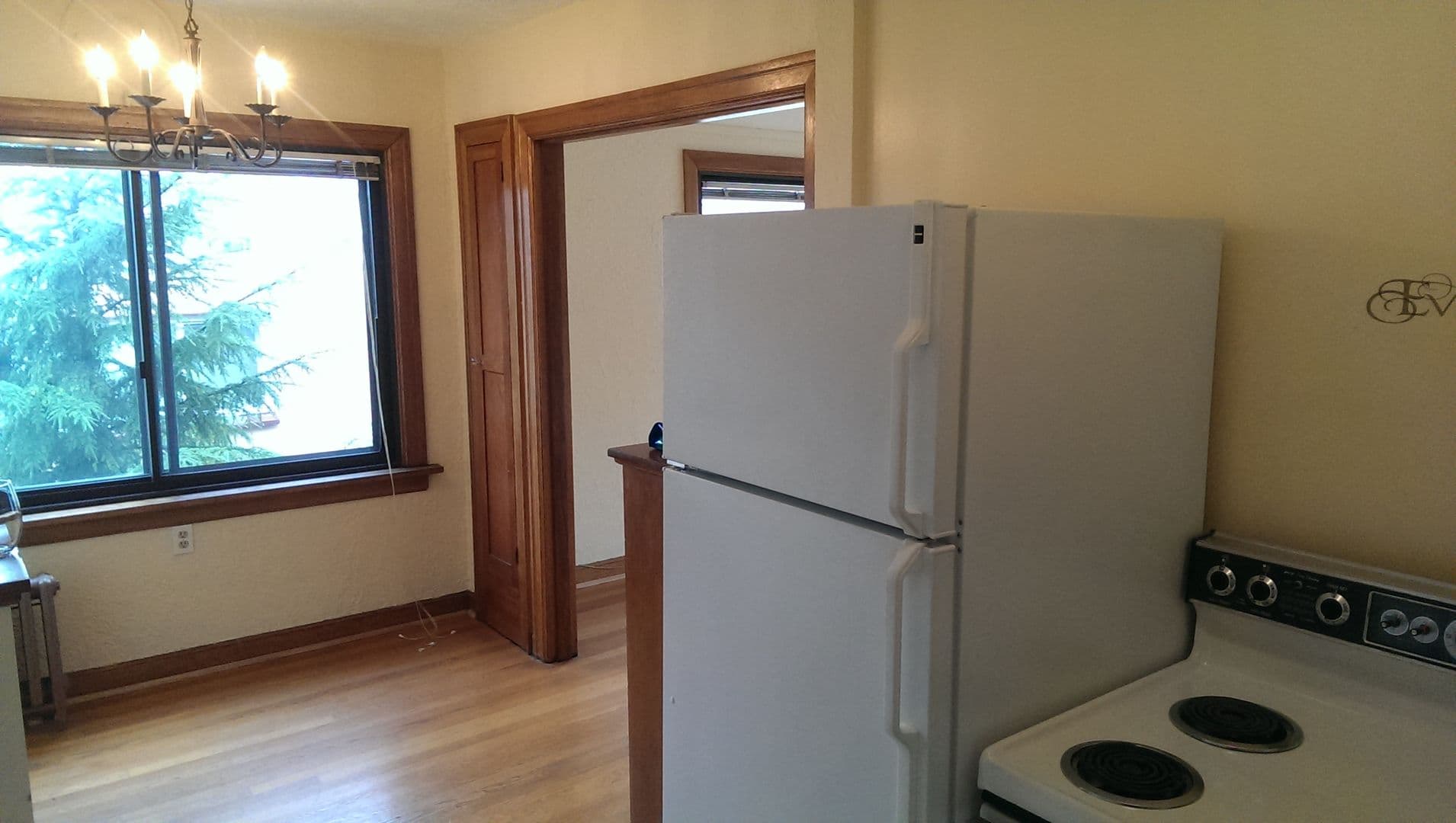


$1,125
Studio1 bath380 sqftApartment
2205 2nd Avenue, Seattle, WA, 98121
3245 Results
$1,125
Studio1 bath380 sqftApartment
2205 2nd Avenue, Seattle, WA, 98121
$1,270
Studio1 bath380 sqftApartment
2205 2nd Avenue, Seattle, WA, 98121
$1,375
Studio1 bath232 sqftApartment
838 NE 66th St, Seattle, WA, 98115
$1,295
Studio1 bath143 sqftApartment
3050 SW Avalon Way, Seattle, WA, 98126
$1,295
Studio1 bath155 sqftApartment
3050 SW Avalon Way, Seattle, WA, 98126
$1,295
Studio1 bath150 sqftApartment
3050 SW Avalon Way, Seattle, WA, 98126
$1,295
Studio1 bath150 sqftApartment
3050 SW Avalon Way, Seattle, WA, 98126
$1,295
Studio1 bath160 sqftApartment
3050 SW Avalon Way, Seattle, WA, 98126
$1,175
Studio1 bath204 sqftApartment
3050 SW Avalon Way, Seattle, WA, 98126
$1,175
Studio1 bath204 sqftApartment
3050 SW Avalon Way, Seattle, WA, 98126
$1,175
Studio1 bath204 sqftApartment
3050 SW Avalon Way, Seattle, WA, 98126
$1,095
Studio1 bath184 sqftApartment
3050 SW Avalon Way, Seattle, WA, 98126
$1,175
Studio1 bath159 sqftApartment
3050 SW Avalon Way, Seattle, WA, 98126
$1,095
Studio1 bath161 sqftApartment
3050 SW Avalon Way, Seattle, WA, 98126
$2,495
2 beds1 bath547 sqftApartment
14337 32nd Ave NE, Seattle, WA, 98125
$2,595
2 beds2 baths715 sqftApartment
14337 32nd Ave NE, Seattle, WA, 98125
$2,495
2 beds2 bathsApartment
14337 32nd Ave NE, Seattle, WA, 98125
$2,595
2 beds2 baths715 sqftApartment
14337 32nd Ave NE, Seattle, WA, 98125
$2,495
2 beds2 bathsApartment
14337 32nd Ave NE, Seattle, WA, 98125
$2,495
2 beds2 baths774 sqftApartment
14337 32nd Ave NE, Seattle, WA, 98125
$1,275
Studio1 bath378 sqftApartment
2205 2nd Avenue, Seattle, WA, 98121
$995
Studio1 bath380 sqftApartment
2205 2nd Avenue, Seattle, WA, 98121
$1,450
Studio1 bath403 sqftApartment
2205 2nd Avenue, Seattle, WA, 98121
$1,600
Studio1 bath500 sqftApartment
221 West Mercer Street, Seattle, WA, 98119
Showing 24 of 3,245 results
Showing 24 of 3,245 results
Load moreSeattle, Washington, is located between Lake Washington and Puget Sound in the Pacific Northwest region. The city is renowned for its thriving job market, particularly in the creative and tech sectors, and its vibrant waterfront setting. Blending both urban living with natural scenery, Seattle is a popular location for renters all across the country who want to enjoy the mixture of progressive culture, outdoor recreation, and innovative tech economy. The high cost of living can be paired with the highly paid career opportunities in this area.
Seattle has a typical marine west coast climate. This means:
Winters tend to be on the damp and cool side, with temperatures ranging between 40 and low 50. While uncommon, snowfalls can occur in Seattle, and when they do, they are generally light.
Summers are dry and warm, with temperatures in the 70s.
Public education is managed by one of the largest school districts in Washington, Seattle Public Schools. The district operates:
Some of the better-known public high schools include Roosevelt High School, Ballard High School, and Garfield High School.
Parents and guardians can also find private, charter, and faith-based establishments in Seattle, WA.
The fastest way to find affordable rentals in Seattle is to use Rentler's price filters — browse apartments under $800, under $1,000, or under $1,500 to see current inventory at each threshold. Availability at the lower price tiers changes quickly, so checking back regularly or setting a listing alert is worth doing. Older buildings and units further from city center tend to offer the most room on price.
Yes — Seattle has pet-friendly rentals listed on Rentler across apartments, houses, and townhomes. Use the pet-friendly filter to see only properties that accept animals. Policies vary by landlord — breed restrictions, weight limits, and whether a pet deposit or monthly pet rent applies are all worth confirming directly before submitting an application. Large-dog-friendly inventory tends to be stronger in suburban and townhome-style properties than in dense apartment buildings.
Rentler doesn't have a dedicated luxury filter, but you can surface higher-end rentals in Seattle by sorting listings by highest price and combining the recent-build and furnished filters. Newer construction properties typically offer the most upscale finishes available — in-unit laundry, stainless appliances, quartz countertops, and on-site amenities like a fitness center or pool.
Rentler focuses on traditional lease rentals rather than short-term or vacation stays. For stays under 3 months, platforms like Furnished Finder or Airbnb may have more options. For 3–6 month furnished leases in Seattle, use Rentler's furnished filter, which occasionally includes properties with flexible lease terms. Contact landlords directly to ask about lease length flexibility before applying.
Some landlords on Rentler offer move-in incentives like first month free, reduced security deposits, or waived application fees — especially during slower leasing seasons (October through February). These aren't filterable on Rentler directly. The best approach is to contact landlords on listings you're interested in and ask about current promotions before submitting an application.
Most landlords in Seattle require a government-issued photo ID, proof of income (typically 2.5–3x the monthly rent in gross income), recent pay stubs or bank statements, and consent for a background and credit check. Rentler applications are saved to your account so you can submit to multiple properties without re-entering your information each time. Having all documents ready before you find a unit puts you ahead of applicants who need extra time to gather materials.
State law provides several baseline protections for all renters: security deposits must typically be returned within a set window after move-out with an itemized deduction statement; landlords must give advance notice before entering a unit except in emergencies; and all rentals must meet basic habitability standards. For city-specific tenant protections, check with your local municipality — some cities have additional renter ordinances beyond state law.
First things first: The cost of living is notably higher than the national average, mainly due to high housing prices. Expenses are roughly 45% to 50% above the U.S. norms across the board. Transportation, utilities, healthcare, and groceries costs are also higher than the norms in Seattle, WA.
However, WA residents benefit from the absence of state income tax, which helps offset the higher monthly expenses.
You can find practically endless recreation and entertainment opportunities in Seattle.
For outdoor enthusiasts, there are many green spaces, such as Green Lake and Discovery Park, as well as plenty of waterfront paths along Puget Sound. Weekend goers can also enjoy kayaking on Lake Union or ferry trips to nearby islands.
Seattle has many cultural landmarks, starting with the iconic Pike Place Market, but there are also plenty of historic theaters, live music venues, and museums to keep everyone interested. Besides, neighborhoods such as Fremont, Capitol Hill, and Ballard have plenty to offer in terms of nightlife, dining, and local events.
Seattle is a major center for higher education in the Pacific Northwest.
The University of Washington is one of the city’s most prominent institutions and a leading research university, comprising three campuses. The UW has produced many Nobel Prize laureates and MacArthur Fellows.
The private Jesuit and Catholic Seattle University and Seattle Pacific University provide additional private education options.
Community colleges, such as Seattle Central College, also serve both traditional students and working adults.
Rent in Seattle is among the highest in the region. Across all rental unit types, average rent ranges from $2,100 to $2,400 per month. Of course, prices vary a lot depending on neighborhood, building age, and access to transit. Newer developments and apartments close to job centers tend to call for higher rents, while older buildings in residential areas are more competitively priced.
While housing costs in Seattle, WA, are on the high side, some areas are priced more competitively than others. As a general rule, neighborhoods outside the downtown core, such as Rainier Valley, Northgate, and parts of West Seattle, offer lower rents on average without necessarily sacrificing transit access and amenities.
Similarly, unit choices, such as smaller apartment buildings and older properties, can also provide better value.
The average rent cost for a Seattle apartment is around $2,300 per month.
Note: Pricing will vary greatly, depending on unit sizes and locations. Central neighborhoods and waterfront areas are expected to sit above the city's average rent.
One-bedroom apartments in Seattle typically rent for $1,850 to $2,200 per month. Units in popular neighborhoods such as Capitol Hill, South Lake Union, and downtown often reach the higher end of this range.
Renters looking for more affordable options need to explore units farther north or south of the city center.
Two bedroom apartments range from $2,400 to $3,000 per month and tend to be located near light rail stations and major employers.
For three bedroom apartments, the monthly rent is around $3,200 to $4,000. These units are typically found in low-rise residential buildings and townhomes.
Four bedroom rentals tend to exceed $4,200 a month. These units frequently include outdoor space too.
Five bedroom apartments can be more difficult to find in Seattle, WA, and tend to cost $5,000 or more per month.
Seattle residents use a mix of transportation options depending on location and lifestyle. Biking and walking are popular in dense neighborhoods.
Major highways such as I-5 and I-90 connect the city regionally, while ferries provide access across Puget Sound.
Public transportation includes buses, streetcars, and light rail operated by Sound Transit.
Seattle is considered one of the more transit-friendly cities in the United States, with extensive bus service and consistent rail expansion to improve connectivity between neighborhoods and nearby cities.
However, traffic congestion can frequently affect travel times. That’s why, in many central neighborhoods, residents prefer to travel without a car, choosing healthy options like biking and walking, but also public transportation.