
TL;DR
Chicago’s best neighborhoods are Lincoln Park, River North, Gold Coast, Logan Square, Old Town, West Loop, Wicker Park and South Loop. We review all of these and more in this in-depth guide to help you decide which of these areas is best for you.
Chicago is America’s third-largest city and as such, it offers a mix of stylish and attractive neighborhoods for every type of renter. . Whether you are a young professional looking for the bar scene in River North or a family of four seeking tree-lined streets in Lincoln Park, there’s probably something for you.
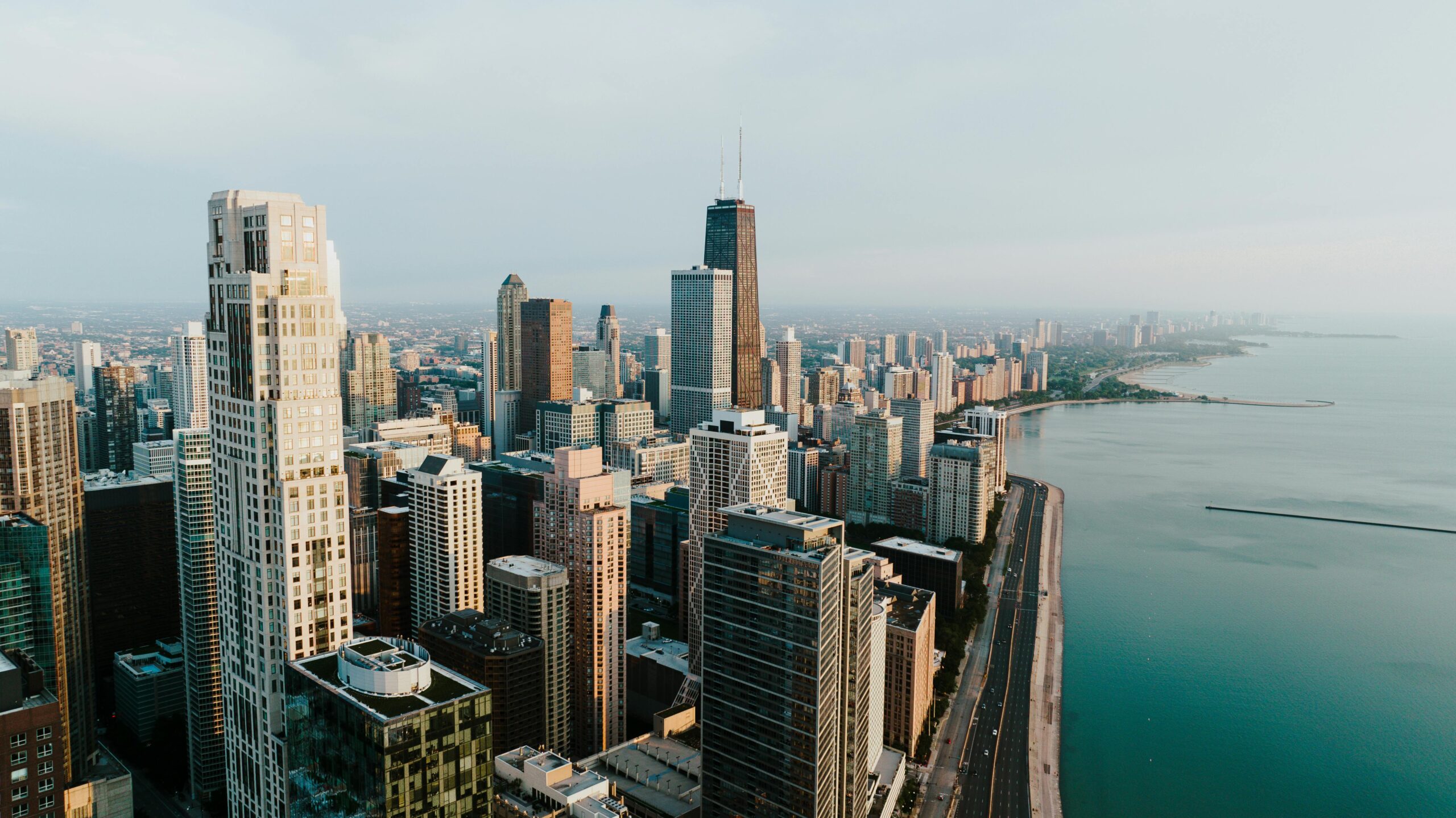
When moving to a place like Chicago, you’ll want to think about your neighborhood’s proximity to Lake Michigan, the de facto waterfront. You’ll also need to consider accessibility to transit links like the Red Line and the Blue Line. This determines how easily you can get around.
Like any major city, Chicago rentals come in at a range of price points. Average rents can be as low as $1,300 a month in some locations like Hyde Park, but up to $3,300 per month in a location like River North. Prices vary depending on proximity to workplaces and the overall quality of the environment.
An introduction to Chicago’s neighborhoods
Chicago, also known as the Windy City, is home to 77 distinct neighborhoods. And, as you might expect, these all have a different vibe.
Most residential areas are on the north side. The south side is more of a cultural hub, whereas the west side is a more emerging area with growing appeal.
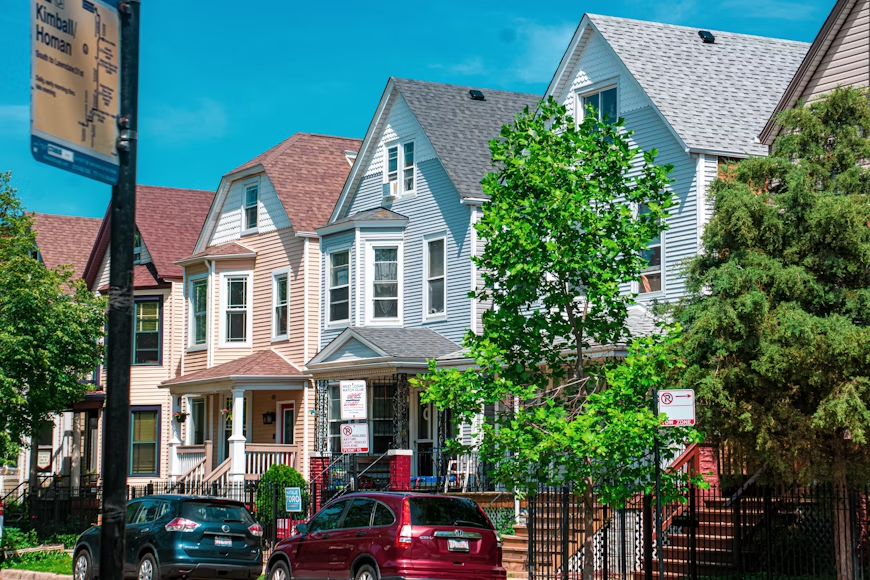
Generally speaking, renters want adjacent neighborhoods to the city center. These provide views over Chicago’s impressive skyline and also Lake Michigan, while offering the best public transport for commuting. They’re also close to chic bars, cocktail bars, coffee shops, music venues, art galleries, street art, green spaces, walking paths, and within walking distance of attractions like the Art Institute, Navy Pier, and North Beach Avenue.
Currently, the average rent in Chicago is between $2,000 and $2,400 for a one-bedroom apartment. Fortunately, the citywide rent-to-occupy rate is quite high, with many young professionals and university students drawn to its nightlife and cultural experiences.
Factors to Consider When Choosing the Best Neighbourhood in Chicago
Considering multiple factors before settling on a particular spot in Chicago is wise. Millions of people call this place home, so there are countless interesting and diverse locations to choose from.
Budget
As noted above, rental prices vary considerably depending on location. Areas like Logan Square and Hyde Park tend to be the cheapest, whereas Gold Coast and River North are the most expensive. Rental prices for properties with multiple bedrooms in the latter locations can be well over $5,000 per month, so always search rental listings.
Lifestyle
Choosing a neighbourhood in Chicago also impacts lifestyle. For families, places like Roscoe Village with tree lined streets and high safety levels are the most compelling. Meanwhile, Wicker Park is for younger people looking for bar scenes. And West Loop is for foodies because of its abundance of high-quality restaurants.
Students near De Paul University usually choose Lincoln Park. This location provides easy access and is within cycling and walking distance.
Commuting and accessibility needs
For renters commuting to Chicago’s downtown areas, Fulton Market or Michigan Ave, easy access via the blue line or red line is essential. These routes give them quick access and help you avoid above ground traffic.
Safety and community
Safety and community is another consideration. Some areas of Chicago are famously safer than others. Families, obviously, have the highest safety requirement; however, young professionals sometimes opt for less safe areas to reduce rental costs. Checking the crime statistics in each area is always advisable.
Local amenities
Finally, considering local amenities also makes sense. For example, renters might want to prioritise:
- live music venues
- rooftop bar accessibility
- cocktail bars
- trendy restaurants
- art galleries
- green spaces and walking paths
Lincoln Park – Chicago’s Most Charming Green Oasis
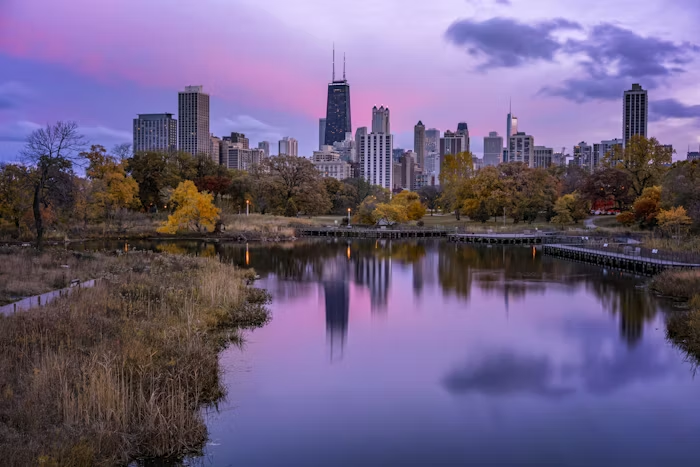
Lincoln Park is one of Chicago’s most charming areas. It has a residential feel thanks to its many tree-lined streets and beautiful brownstones. Despite being so close to the university, it is family friendly with plenty of playgrounds and parks. Many young parents and professionals over 30 set up their lives here.
For culture, residents can enjoy nearby theatres, comedy clubs, and relaxed bars. There are also art galleries and opportunities to listen to live music. The expansive waterfront area provides numerous green spaces, and there are also beaches that host volleyball and other sports.
Unfortunately, access to the city centre takes slightly longer than most commuters would like. Renters can be on the Red Line or the Brown Line for 30-40 minutes before getting downtown. However, rents for an average one-bedroom apartment are on the lower side, between $1,500 and $2,000.
As for amenities, Lincoln Park has the free Lincoln Park Zoo, North Avenue Beach, and DePaul University. It also has opportunities for boutique shopping and dining, making it great for anyone with hybrid work arrangements.
River North – Chicago’s Urban Nightlife Hub
Chicago’s River North area has a completely different feel. Unlike many residential areas, it is crammed with sleek high-rise buildings and converted lofts for young professionals and first-time renters who want to be closest to the city’s downtown areas and trendy hot spots.
The most impressive aspect of this part of the city is its architecture. It’s home to one of the densest clusters of tall buildings anywhere outside of New York. Being in such a key location, there is an abundance of art galleries and design showrooms galore, with famous landmarks like the Wrigley building and Tribune tower nearby.
The main reason people move to this area is the boisterous rooftop bars and clubs; London House being a famous example. It’s also a major dining hub for foodies looking for exciting new flavors from international and local chefs.
Green areas and spaces are somewhat limited but they do exist. River North is close to the Chicago Riverwalk, which many people use for cycling and jogging, and there is also access to Lake Michigan, although it is some distance from many residents.
Accessibility is excellent in River North. The CTA and the L subway run close to Michigan Avenue for shopping and downtown for work.
Naturally, prices are higher here than in virtually any other part of the city because it’s a premium location and accommodation. Tenants can be expected to pay $3,300 or more per month for a standard one-bedroom apartment.
Overall, the advantages of River North are its lively cultural scene and easy connections to downtown Chicago. The downside, of course, is that it’s highly commercial and touristy. It’s also unaffordable for people who don’t have high-paying professional jobs.
Gold Coast – Lake Michigan Luxury Living
Gold Coast is a neighborhood for people who want to live a luxurious lifestyle. It’s upscale and close to many of Chicago’s most historic mansions.
Most people living in or moving to this area choose high-rise condo buildings. These provide modern amenities within the building itself, enabling young professionals to live more efficient lives. There are also elegant brownstones and other options for older renters seeking luxury living.
Key attractions in the area are:
- Oak Street Beach
- Museum of Contemporary Art
- 360 Chicago observation deck
There are also designer showrooms for things like homewares and plenty of chic restaurants to explore.
For young people, elegant rooftop lounges are available at most of the high-rises in the area. There are also bars in all the hotels for dating and high-rolling. Many view the location as leaning towards the sophisticated and refined.
As for green spaces, you can find beaches like Lake Ohio Street and North Avenue. These are great for swimming and having fun by the water. The entire neighborhood is also adjacent to Lake Michigan, which again provides recreational activities, including boating and sailing.
Gold Coast, unlike many of Chicago’s neighborhoods, is walkable to the downtown area. This is ideal for commuters who want to avoid costly public transport fees. For those needing quicker access to the city, the L subway access is speedy and safe.
Rental prices vary between $2,500 and $3,000 for a standard one-bedroom in the neighborhood. This is less expensive than River North, with only a slight reduction in accessibility and quality of life.
Overall, the Gold Coast area of Chicago is refined and offers beach access for those who want to be beside an open body of water. The downside is that it’s more expensive and can be seen as pretentious by some people. Renters looking for a simple life may want to look elsewhere.
Logan Square – Chicago’s Artsy and Hipster Neighborhood
Logan Square is the ideal location for renters who consider themselves a tad unconventional. It’s home to Chicago’s best breweries, street art, and live music venues, as well as Milwaukee Avenue, the so-called “hipster highway” of the city.
Logan Square is most appealing for up-and-coming creative types, including YouTubers, online freelancers, artists, and young people who want a more affordable location. However, young families also like the area because of its multifamily homes and brick apartments. These are perfect for raising children in the city at lower cost.
Culture and nightlife is served by the area’s many underground clubs, taquerias, cocktail bars, and dive bars. Combined with the artsy neighbourhood, these create a heady combination that attracts many of the city’s edgiest people.
Greenways and parks in this area are plentiful and renters can be in Chicago’s downtown areas via the Blue Line within 20 to 30 minutes, making it ideal for commuters. Generally, the area is car-friendly, but expect a lot of traffic if you use the roads.
As for rents, renters pay between $1,300 and $2,200 for a one-bedroom apartment. This makes Logan Square significantly more affordable than many of the premium areas of the city that are similar distance from downtown. It’s not pretentious, but tenants need to be prepared for the arty hippie-focused culture.
Overall, Logan Square is a cool and creative place to build a life. The downside is that it’s slightly further than some other locations from the city center, and it’s gentrifying fast. For renters, this means that rental prices will likely be significantly higher in the future.
Old Town – Historic Charm and Comedy Central
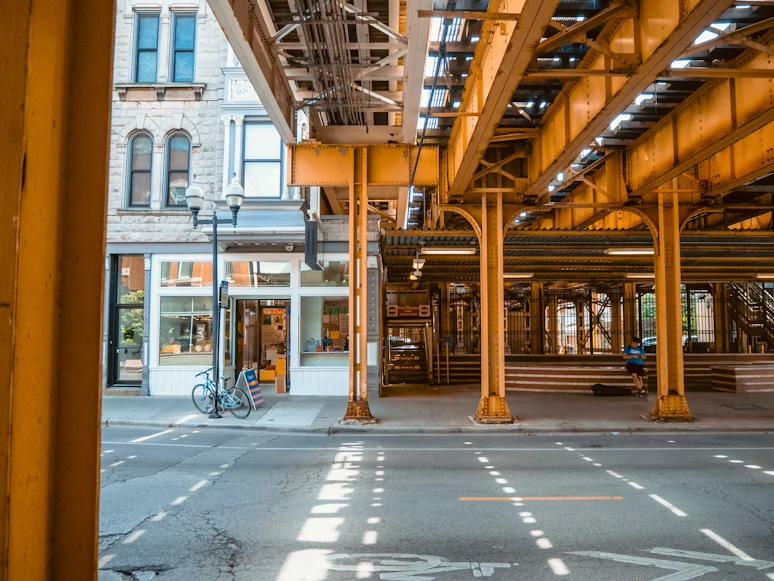
Old Town is appealing to renters because it has a cozy village feel and is close to comedy venues. The area was developed centuries ago, so it doesn’t have the same efficient street layout that many of the modern, newer areas do. It’s also home to the oldest businesses and local cultures, with short walks to most amenities.
The biggest attraction in Old Town is its legendary improv theatres like Second City. These are hubs for creative comedians looking to make it big.
Old Town also has plenty of historic charm and many bars to meet new and interesting people. Events like the Old Town Art Fair are a big draw to the region, allowing locals to pick up original artwork from skilled artists (while avoiding generic options from conventional stores).
Green spaces are somewhat limited in Old Town, as you would expect; however, Lincoln Park is nearby. Accessibility to the downtown area is good via the Brown Line.
Despite its central location and abundance of amenities, rental prices for apartments are relatively low. Tenants can expect to pay between $1,800 and $2,500 per month for one-beds in this neighborhood. Increasing gentrification means rentals will likely rise in the future, with further opportunities for landlords to benefit from property appreciation.
Overall, the Old Town is a charming area with plenty of historic buildings and fun attractions. The downside is that it can feel crowded due to the street layout and the high number of people living in the area.
West Loop – Chicago’s Paradise for Foodies
West Loop is near the Chicago River and just 15 and 30 minutes travel time from the downtown area via the Green and Pink lines. The area is famous for its restaurant row on Randolph Street, which is home to some of the best Michelin-starred restaurants in America, as well as local chefs who have made a name for themselves through their boutique eateries.
Interestingly, it’s also an area with corporate HQs like Google and McDonald’s. This makes it ideal for employees with high-flying jobs at Fortune 500 companies.
Aside from the dining scene, West Loop also appeals to renters because of its boutique hotels and amenities. There are plenty of chic bars and cocktail lounges to enjoy, as well as rooftop movies for those in their 20s, 30s, 40s, and 50s.
As for rent, renters can expect to pay a little more in this area. Most one-bedroom apartments go for between $2,800 and $3,300 a month, with Fulton Market having the highest rental costs.
The biggest downside of living in West Loop is the limited number of hotels and the slightly pretentious feel. These aspects may put some renters off who want a more down-to-earth experience and budget accommodation options for when people visit.
Wicker Park – Chicago’s Trendiest Neighborhood
Wicker Park is widely regarded as Chicago’s trendiest neighborhood, thanks to its street art and boutique shopping. Many people move here because they like the independent retail stores and the visual appeal close to cozy coffee shops. It’s close to Bucktown and it’s sought out by hipsters looking for edgy artwork that’s outside of the norm. Everything about the area is boho, from its low-rise buildings to laid-back vibe.
The main green space is Wicker Park itself. Rental properties arranged close to or overlooking this area attract the highest premiums. Accessibility to downtown is 20-30 minutes via the Blue Line with rents between $1,600 and $2,200 per month for a one-bedroom apartment. As such, it’s the perfect commute location for young professionals in creative industries looking to save some money on their rents.
Overall, Wicker Park offers a trendy and artistic appeal. However, it may not be suitable for more conservative-leaning individuals due to its unapologetic hipster vibe.
South Loop – Chicago’s Historical Lakefront Neighborhood
South Loop is arguably the best option for renters looking for lakefront living in Chicago combined with a smattering of history. This area of town feels like downtown, but at a far more affordable price point. There are plenty of high-rise apartments on offer in the neighborhood, surrounded by green spaces, ideal for business travellers and families.
The main attraction is the massive murals that carpet the urban environment. Local artists created these to improve the charm of the urban landscape. There are also plenty of lakefront parks and museums to explore, like the Shedd Aquarium and Field Museum.
For those interested in the culture and nightlife, South Loop offers plenty of unique blues clubs. These regularly host live performances on Friday nights and weekends. Chinatown is nearby, too, and there are some smaller live music venues in the area.
Local authorities have invested heavily in walking paths through South Loop. This makes it more walkable than many residential areas in American cities. Renters can also take themselves and their dogs to Grant Park to let off steam.
One-bedroom apartments rent for between $1,500 and $2,200 a month in South Loop. Because of this, the area is more affordable and scenic than most in a similar position.
Hyde Park – Chicago’s Cultural Hub Near the University
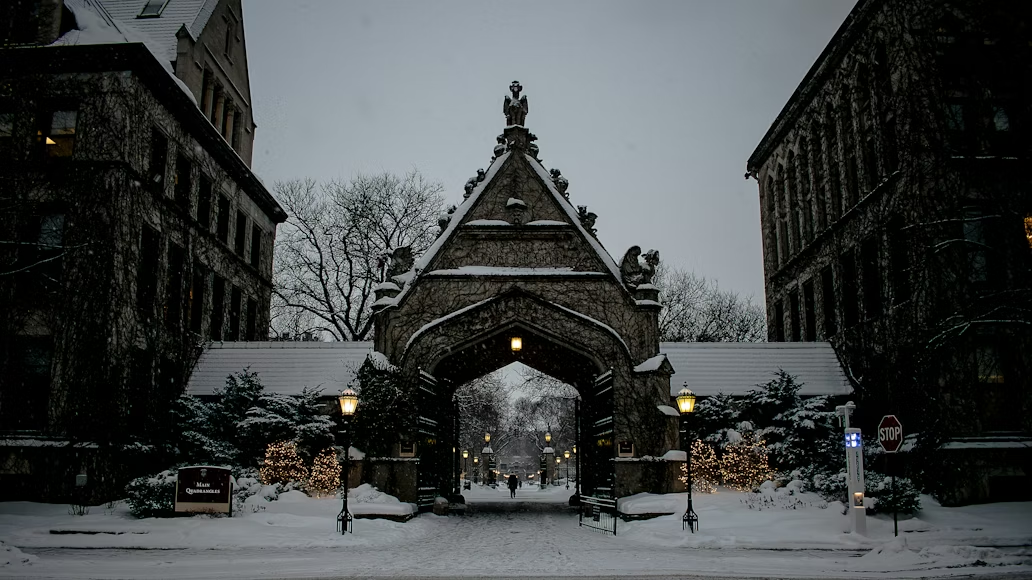
Hyde Park is regarded as Chicago’s main cultural hub. It has a distinct intellectual vibe because of the sheer number of students attending the nearby university. But being on the south side, it also offers rich history and affordable rental prices.
The main attractions are the globally renowned museums and the Hyde Park Jazz Festival. The latter attracts thousands of visitors from across the world every year. It is also close to the University of Chicago, one of the foremost academic institutions in the country. Renters moving here can expect plenty of cultural events and live music.
Being south of downtown, Hyde Park is accessible via metro or bus. Being Chicago’s most budget-friendly area, renters can get 1-bedroom apartments from $1,300 a month (and sometimes less). The downside is that it is more distant from downtown so it’s not ideal for commuters.
Ukrainian Village – Chicago’s Eclectic Quarter
Ukrainian Village is Chicago’s most eclectic quarter. It offers a combination of a boho atmosphere built on top of its working-class roots. As such, it tends to be more affordable for younger renters with entry-level jobs seeking local culture.
As the name suggests, Ukrainian Village is home to eclectic shops and several heritage sites. Music venues along Milwaukee Avenue and dive bars attract thousands of punters every week and means young professionals always have something new and interesting to do.
Ukrainian Village is also close to Humboldt Park. This green space is ideal for jogging and relaxing on warm days.
Being located on the West Side, Ukrainian Village offers Blue Line access to the downtown area. Renters can expect to pay between $1,500 and $1,800 for a one-bedroom apartment here, with two-beds also affordably priced.
Overall, Ukrainian Village is attractive because it’s diverse and affordable. The downside is that, like many other parts of the city, it is gentrifying, which could push tenants away in future years.
Roscoe Village – Chicago’s Quaintest Suburb
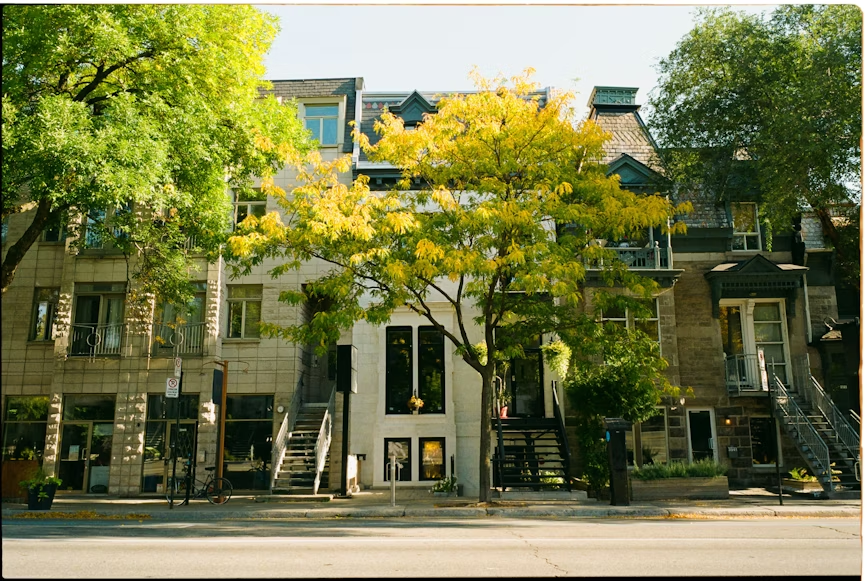
Roscoe village is popular among renters looking for a slower pace of life far from the downtown hustle and bustle of the city. Many Chicago families move here because of its homey atmosphere and tree-lined streets that make it feel more like a village. Throughout the area, renters will find cute shops, cozy cafés, and boutique stores. There’s also the Roscoe Village Burger Fest, which is a chance to enjoy some of the output of some of the most creative and inventive burger chefs in the region.
Average rents in Roscoe Village range from $1,500 to $2,000 for a one-bedroom apartment. Accessibility to the downtown area is via the Brown Line, since Roscoe Village sits in the North Side. As such, it’s a possible option for large families where one of the parents needs to commute to the city centre. It’s also community-oriented, with people regularly getting together for meet-ups and events.
The only downside is that it might be too quiet for some. Roscoe Village feels very chilled out for a Chicago neighborhood.
Norwood Park – Chicago’s Quintessentially Suburban Area
Finally, some renters might want to explore Norwood Park. Key attractions in this location include its historic homes, boutique stores and retail areas all flanked by community parks.
Norwood Park is actually surprisingly close to the city centre but feels distinctly suburban thanks to its large plots and quiet residential streets. For many, it’s a low-key West Side spot that offers great schools for growing families.
As for green spaces, there are plenty of smaller parks and tree-lined streets in Norwood Park. It doesn’t have the same urban feel as downtown Chicago, making renters feel closer to nature. Because it is in the far northwest of the city, however, access to downtown areas via the Blue Line or Metro takes longer.
What about prices? As expected, average rental prices are far lower than most other areas of the city. For a one-bedroom apartment, the rent is for between $1,200 and $1,600 a month, making it an option for workers with regular jobs. For two-bedroom apartments, you can expect to pay slightly over $2,000 a month.
Other Neighborhoods Worth Exploring
Besides the superstar neighborhoods discussed above, Chicago also has some other neighborhoods that you might want to explore.
For example, many people move to Lakeview because of the nightlife that it offers near Wrigley Field. Andersonville is also popular because of its LGBTQ-friendliness and Swedish heritage. Many pride flags can be found throughout the area, and the neighborhood plays a key role in city-wide pride celebrations.
These neighborhoods, alongside Uptown and Pilsen, add to Chicago’s diversity. As such, there are always options for renters who need something a little bit different from the mainstream.
FAQs
What are the best neighborhoods in Chicago for families?
Chicago offers plenty of neighborhoods that are suitable for families. Top options include Lincoln Park, Norwood Park, and Roscoe Village. These come with tree-lined spaces, parks, and low crime.
Why is Logan Square one of the coolest neighbourhoods in Chicago?
Logan Square is one of the coolest neighborhoods in Chicago because it has trendy restaurants and street art. It’s also an ideal location for music aficionados looking for live venues.
How can renters get around Chicago neighborhoods?
Renters can easily get around Chicago neighborhoods using the CTA. The Blue Line, the Red Line, and the Brown Line are all popular options for getting into the middle of town. Furthermore, some Chicago neighborhoods are within walking distance of many central areas.
Are there affordable rental options near Chicago’s city center?
Yes, there are affordable rental options near Chicago City Center. The most famous of these is the South Loop, which offers affordable options but with a downtown feel.