

TL;DR: Living in Lehi, Utah, means high median household income, above-average housing costs, and easy access to outdoor fun. With realistic budgeting and tools like Rentler for listings, screenings, and online payments, both renters and small landlords can do really well in this fast-growing Silicon Slopes city.
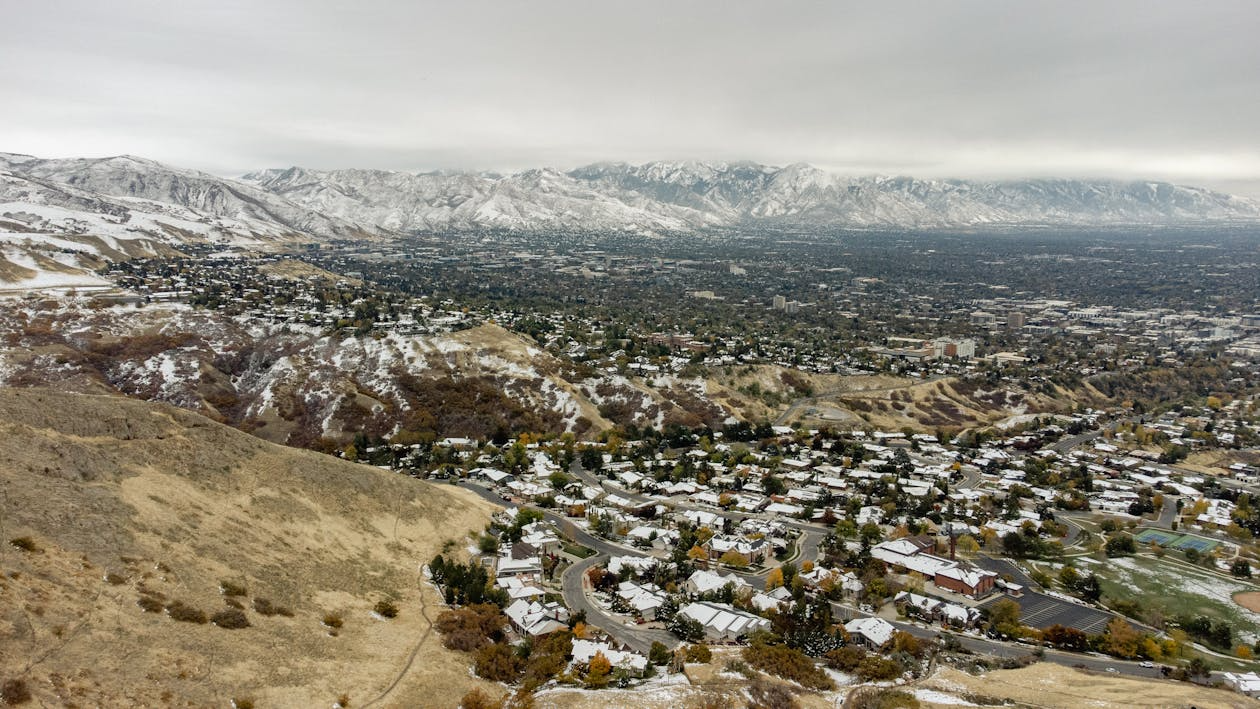
Lehi sits between Salt Lake City and Provo at the north end of Utah County, right in the centre of the Wasatch Front corridor. It has grown from a farm town into a tech-heavy new city of roughly 85,000 people, with modern office campuses, apartment communities, and family neighbourhoods spreading out from a still-historic Main Street.
For anyone thinking about living in Lehi, Utah, the big questions are usually the same: How much income do I need? What does rent look like compared with the national average? And what kind of lifestyle can I expect? Let’s walk through the key numbers and what they mean for everyday life.
Median Household Income and Jobs in Lehi
Lehi’s median household income sits in the mid-$120,000s, with recent estimates around $125,860–$131,299 depending on the data set. That is significantly higher than the U.S. median household income, which is why many residents can support larger housing costs and car payments.
Those paychecks come from a mix of tech companies clustered along I-15 in the “Silicon Slopes” office parks, plus jobs in healthcare, education, finance, construction, and local services. HomeSnacks, which aggregates Census and housing data, also reports a median income of $125,860 and notes solid scores for jobs and housing. For first-time or DIY landlords, that combination of job growth and solid income means healthy demand for rentals, but also higher expectations for professional-feeling listings and communication.
Cost of Living in Lehi Versus the National Average
Lehi’s cost of living is clearly above the national average. BestPlaces gives the city an overall cost-of-living index of 117.2, while HomeSnacks puts it at 127, meaning many everyday expenses run 17–27% higher than the U.S. baseline of 100. Housing is the biggest factor, but transportation and taxes contribute as well.
Non-housing expenses such as groceries, transportation, and healthcare generally follow Utah norms. The site Livingcost.org estimates average total monthly living costs around $1,793 per person, placing Lehi in the top 30% of the most expensive cities in the U.S. and one of the priciest in Utah. In practical terms, it’s smart to keep your total housing cost, rent plus utilities, near 30% of your gross income and to budget realistically for a vehicle, since many neighbourhoods are not especially walkable.
Renting Cost, Median Home Value, and How Lehi Compares
If you’re not ready to buy, renting is usually the first step to living in Lehi. Multiple datasets show median rent for all property types in roughly the $1,600–$1,800 range: HomeSnacks lists median rent at $1,798, while Zumper and RentCafe show overall averages in the mid-$1,600s to high-$1,700s.
On the ownership side, recent data points paint a consistent picture. Livability reports a median home value of around $585,997; HomeSnacks lists $561,692; and Redfin shows a current median sale price of about $527,000 in the city, with the 84043 ZIP code at roughly $613,500. Taken together, a realistic working range for the median home value / median sale price is about $520,000–$590,000, well above the national median existing-home price in the low $400,000s.
Here’s a table to put Lehi next to the national average:
| Metric | Lehi (recent estimates) | U.S. average (approx.) |
| Median household income | $125,000–$131,000 | Lower, national median |
| Cost of living index | 117–127 | 100 baseline |
| Median home value | $520,000–$590,000 | Low $400,000s |
| Median rent | $1,600–$1,800 | Mid-$1,700s |
For renters, this usually means:
- One-bedroom apartments range from the mid-$1,200s to the mid-$1,500s, depending on age, amenities, and which dataset you check. Apartments.com shows 1-bed averages around $1,574, while Zumper’s guide has some figures closer to the low $1,200s.
- Two-bedroom units are often just under or just over $2,000 a month, with RentCafe reporting a 2-bed average of $1,970.
- Townhomes and single-family rentals commonly cost above $2,000 per month, with Zumper’s house-for-rent data showing typical house rents around $2,200.
Landlords benefit from steady demand and relatively high rent levels, but they also compete with polished, professionally managed communities, so good photos, clear descriptions, and smooth applications really matter.
When you’re ready to look at actual listings, you can search rental listings and then filter down to Lehi rentals by price, bedrooms, pet policy, and move-in date.
Neighbourhoods, Transportation, and Lifestyle
Most of Lehi’s housing is fairly new, with large subdivisions and townhome communities built in the last decade or two. Older streets near downtown keep more of the classic Utah small-town feel, while newer areas to the north and south offer attached garages, community parks, and shared open space.
Transportation is a big part of daily life. Census data shows a mean travel time to work of 23.7 minutes, very close to the national average. I-15 runs directly through Lehi, linking you quickly to the rest of the Salt Lake Valley. FrontRunner commuter rail and UTA bus routes give some residents the option to ride instead of drive, especially for trips into Salt Lake City or Provo, but most households still rely on a car for errands and school runs.
Lifestyle-wise, Lehi leans outdoorsy and family-friendly. Residents enjoy hiking and biking in nearby canyons, skiing within a relatively short drive to the north, and boating or paddleboarding on Utah Lake. Attractions at Thanksgiving Point add museums, gardens, and seasonal festivals that appeal to kids, students, and visitors year-round.
How Rentler Helps You Rent And Manage Smarter in Lehi
Because Lehi is a competitive, high-income market, both tenants and small landlords benefit from tools that keep everything organised and affordable. Rentler is a free property management tool designed specifically for everyday renters and DIY landlords.
- Find a place: Renters can search rental listings and apply to Lehi rentals directly online.
- List and syndicate: DIY landlords can create a listing once and syndicate it to partner sites like Redfin and Realtor.com for 30 days for a small fee, so vacancies reach more qualified renters faster.
- Stand out in a busy market: Featured Days give your Lehi, UT listing a temporary visibility boost when lots of similar units hit the market at once.
- Screen with confidence: TransUnion-powered tenant screening packages include credit, criminal, eviction, and income checks, helping you choose renters based on clear data instead of guesswork.
- Collect and build credit: Tenants can pay online with debit or credit cards or connected bank accounts and even set up autopay. Landlords get a clean transaction history, and tenants can opt into rent reporting, so on-time payments count toward building credit with TransUnion, Experian, and Equifax.
- Manage everything in one place: Lawyer-approved rental forms, maintenance tracking, and a Rentability report help landlords set the right rent, stay organized, and document key details. The mobile-friendly platform makes it easy to handle applications and payments on the go.
FAQ: Living in Lehi, Utah
Is Lehi affordable compared with other Utah cities?
Lehi’s cost of living is higher than that of many nearby towns, mostly because home prices and rents are elevated. Cost-of-living indexes between 117 and 127 and a median home value well above $500,000 put it on the pricier side, but a higher median household income helps many residents balance those costs.
Do I need a car if I’m living in Lehi?
You can use FrontRunner and UTA bus routes, especially if you live near stations or work in certain office parks, but most residents still rely on a vehicle for commuting, errands, and getting to outdoor activities. A car isn’t absolutely mandatory, yet it does make life much more convenient.
Is Lehi a good fit for families and students?
Yes. Lehi has a young population, family-oriented neighborhoods, and easy access to schools and universities in the wider area. Students and interns at local tech companies often rent apartments or townhomes near office campuses and transit, while families appreciate the parks, trails, and attractions at Thanksgiving Point.