

TL;DR:
A studio apartment is a single open room combining your living, sleeping, and kitchen spaces, with a separate bathroom. Typical sizes range from 400 to 600 square feet, offering an affordable, low-maintenance option for renters. They cost roughly 20-30% less than 1-bedroom apartments but come with tradeoffs like limited storage and privacy. Overall, studios make excellent first apartments or practical homes for busy urban professionals who value location over square footage.
Searching for a new place can feel overwhelming, especially when you’re scrolling through listings in an unfamiliar city. The word “studio” shows up constantly, but plenty of renters aren’t quite sure what that layout actually looks like in practice.
If you’ve been wondering what is a studio apartment, this guide has you covered. We’ll walk through the studio apartment definition, common floor plans, typical sizes, and what’s usually included—plus the honest pros, cons, and tips for making the most of a compact space. Exploring apartment life often starts with understanding different floor plans, so let’s begin with the easy stuff.
Studio Apartment Definition
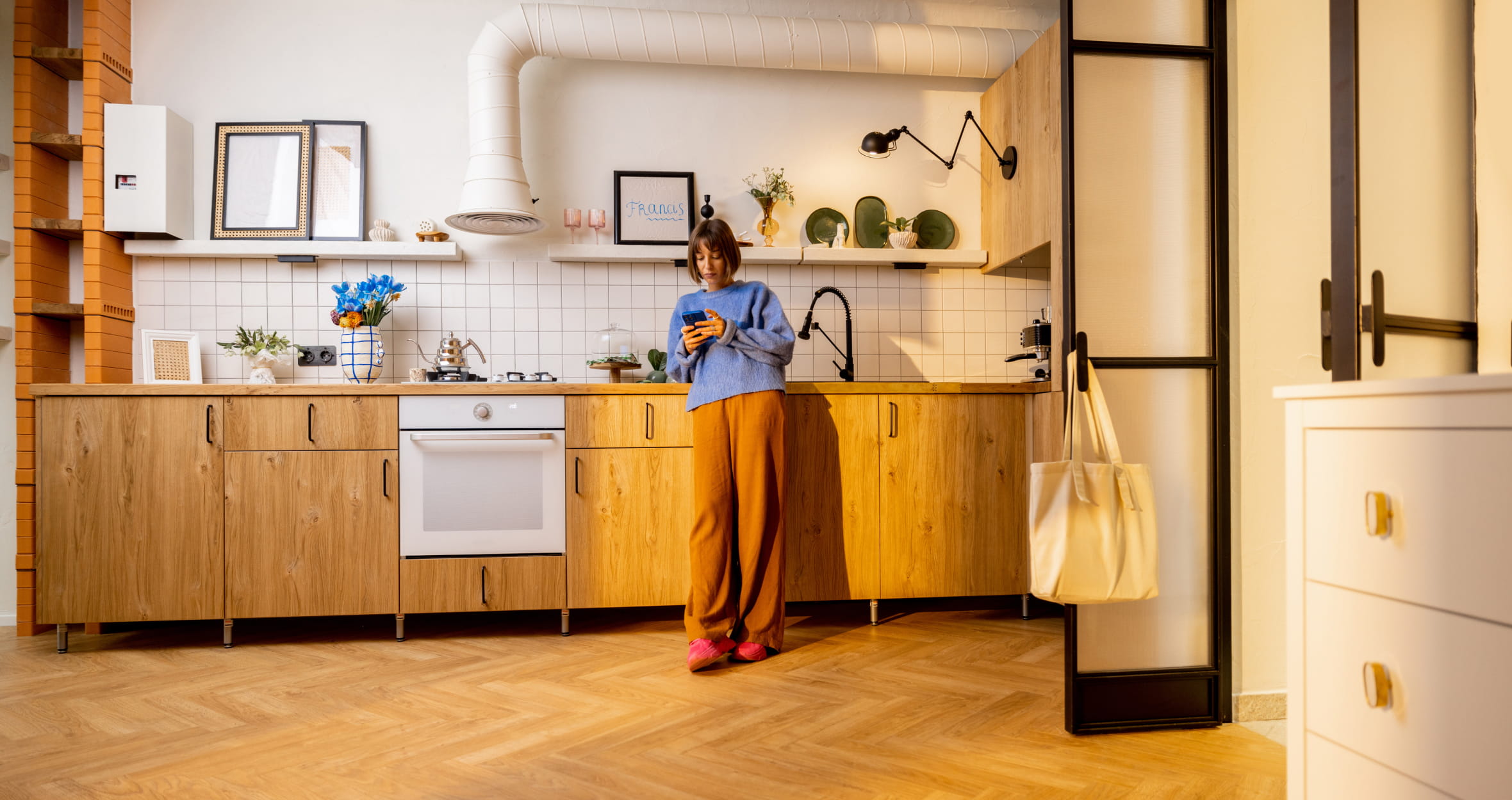
The studio apartment definition is straightforward: it’s a single-room rental that combines living, sleeping, and kitchen areas into one open space, with a separate bathroom. That enclosed bathroom is the defining feature that separates a studio from a basic rented room or a shared housing arrangement.
It also helps to know what a studio isn’t. A 1-bedroom apartment has a separate, enclosed bedroom with a door—giving you a distinct sleeping space. An efficiency apartment is typically smaller and comes with a kitchenette (think mini-fridge and hot plate) rather than a full kitchen. And if you’ve come across the term “studio flat,” that’s simply the British and international name for the exact same layout.
The good news? Today’s studios are far more functional than their cramped reputation might suggest, though a lot depends on the size of the unit you’re looking at.
How Big Is a Studio Apartment?
One of the first things renters want to know is how big is a studio apartment. In most US markets, the typical studio apartment size falls between 400 and 600 square feet—slightly more room than a standard 400-square-foot hotel room, which is a helpful way to picture it.
Location can change things, too. Studios in expensive cities like New York and San Francisco often land in the 300 to 400 square foot range, while mid-sized cities can comfortably offer studios pushing 700 square feet or more. There’s also a growing category of “micro-studios” under 300 square feet, popping up increasingly in dense urban cores.
Knowing your square footage ahead of time helps manage expectations before move-in day—but size is really only part of the equation. How that space is arranged matters just as much.
Getting to Know the Studio Apartment Layout
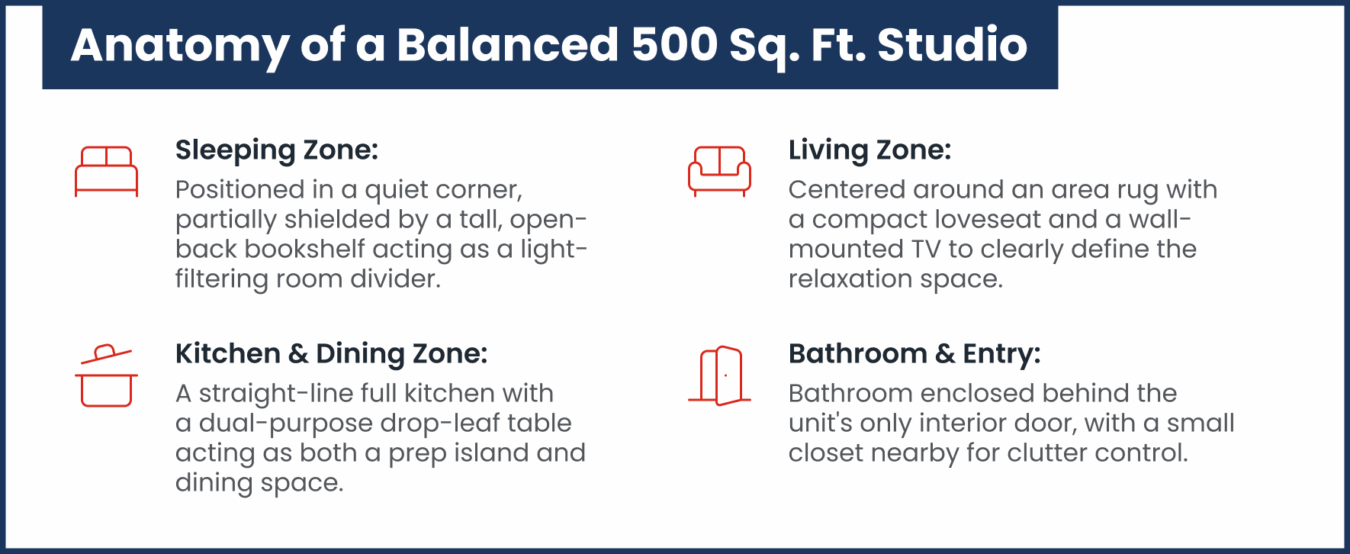
Picturing the standard floor plan makes it much easier to understand what is a studio apartment in practical terms. The typical layout is one open room with a kitchen running along one wall, the bathroom tucked behind the only interior door, and sometimes a small entry foyer or closet near the front door.
Beyond that basic setup, there are a few common variations worth knowing:
- Alcove studios: These feature a recessed nook that works well as a sleeping area, offering some visual separation from the main living space without actual walls.
- L-shaped studios: The room branches off around a corner, naturally creating a distinct zone for a bed or desk.
- Lofted studios: Found in buildings with higher ceilings, these include a raised sleeping platform with living space underneath—a clever use of vertical space.
Studios typically don’t have separate dining rooms, second closets, or in-unit laundry in older buildings. But what they do include might surprise you.
What’s Included in a Studio Apartment
Knowing what is a studio apartment also means understanding what comes with one. The answer varies quite a bit depending on the building. Standard inclusions almost always cover a full kitchen (refrigerator, stove, and oven), a complete bathroom, basic climate control, and at least one closet.
Newer or higher-end buildings frequently add upgrades. Examples of these may include:
- Dishwashers
- Stackable washer/dryer units
- Individual balconies
- Modern finishes
Many apartment communities also provide shared amenities such as fitness centers, rooftop decks, package rooms, coworking lounges, and even pools.
Here’s something worth considering. For the same monthly budget that gets you a basic 1-bedroom in a quieter suburb, a studio might place you in a premium building with impressive community perks. That tradeoff is part of what makes studios so appealing, offering significant advantages.
Pros of Living in a Studio Apartment
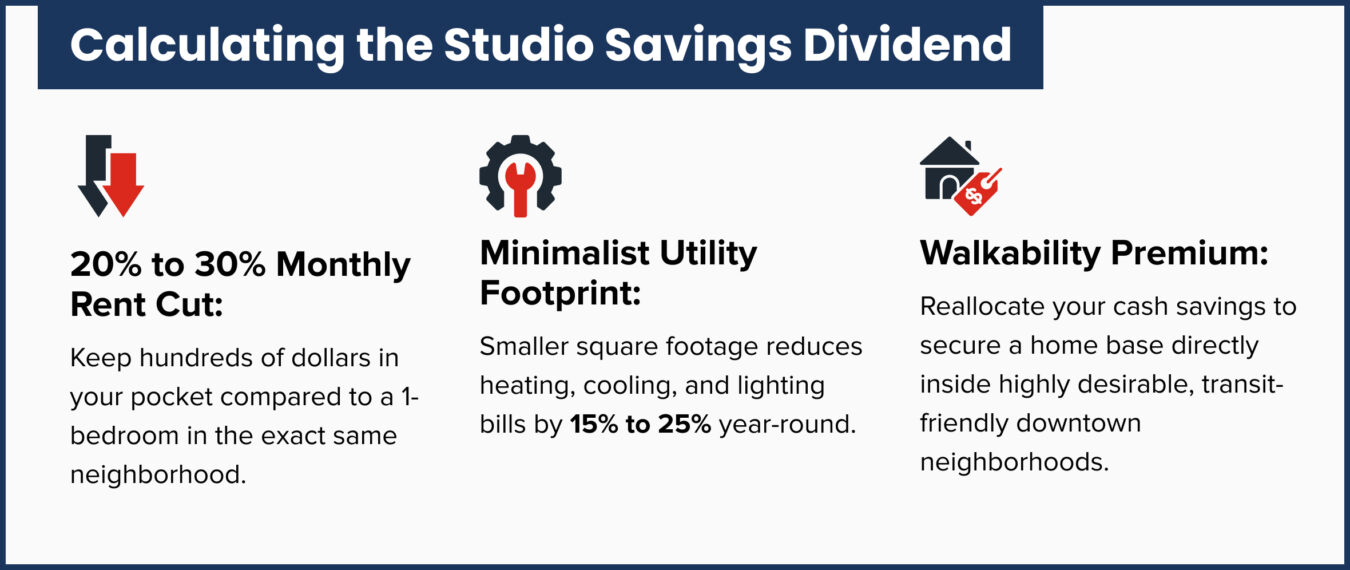
When weighing the broader pros and cons of apartment living, studios stand out in a few key areas:
- Lower rent: Studios typically cost 20-30% less than a comparable 1-bedroom in the same building or neighborhood.
- Lower utility bills: Less square footage means there’s far less space to heat and cool, which keeps monthly costs down.
- Less to clean and maintain: A smaller footprint means you can tidy up the entire place in roughly 20 minutes—a real luxury on busy weekdays.
- Better location access: The rent savings often let renters afford a more desirable, walkable neighborhood than a 1-bedroom at the same price point.
- Encourages minimalism: Having less space naturally discourages clutter and impulse purchases, which isn’t a bad thing for your wallet either.
That said, studios do come with some honest tradeoffs worth thinking about before you sign a lease.
Cons and Tradeoffs to Consider
Living in a single room requires some adjustment, and it’s better to know the drawbacks upfront than to discover them after moving day. A few things to keep in mind:
- No separation between sleeping and living: Your bed is always visible, which can make the space feel less structured—and less restful if you’re a light sleeper.
- Limited storage: Closets tend to be small, pantries are rare, and anything bulky demands creative solutions.
- Hosting guests is challenging: With limited seating and zero guest rooms, having people over for dinner—let alone overnight—gets tricky fast.
- Working from home is tough: Without a separate room, your desk sits a few feet from your bed, making it genuinely hard to mentally clock out at the end of the day.
- Cooking smells carry: With no door between the kitchen and your sleeping area, last night’s dinner can linger well into the morning.
The good news is that plenty of hobbies and activities work beautifully in small spaces, so a studio doesn’t have to feel limiting in every way. To put these tradeoffs in better perspective, it helps to see how studios compare to other compact apartment types.
Studio vs. Efficiency vs. 1-Bedroom: Quick Comparison
Renters often mix up efficiencies, studios, and 1-bedrooms—and the differences are worth understanding when you’re comparing different rental types. Efficiencies sit at the smallest end, featuring a kitchenette with a mini-fridge and a hot plate instead of a full kitchen. A 1-bedroom apartment adds a separate enclosed bedroom with a door, typically offers 100 to 200 more square feet, and costs roughly 20-30% more in rent.
A quick side-by-side breakdown:
- Layout: Efficiencies and studios share one open room; 1-bedrooms have a separate bedroom.
- Kitchen: Efficiencies come with kitchenettes, while studios and 1-bedrooms include full kitchens.
- Typical size: Efficiencies run 300 to 450 square feet, the typical studio apartment size is 400 to 600 square feet, and 1-bedrooms range from 600 to 800 square feet.
- Approximate rent: Efficiencies cost the least, studios sit at the baseline, and 1-bedrooms run about 20-30% higher.
Seeing these numbers side by side makes it easier to figure out which type actually fits your lifestyle and budget.
When to Consider a Studio Apartment
At this point, you know what is a studio apartment and how it compares to other layouts. The real question is whether you’d actually enjoy living in one.
Studios tend to work best for single occupants who spend a good chunk of their time outside the apartment. Urban professionals who prioritize a central location, students, frequent travelers, and first-time renters watching their budget are usually very happy with a single-room setup.
On the flip side, couples who value personal space may find a studio cramped after a few months. The same goes for anyone who works from home full-time, entertains regularly, or has hobbies that require bulky gear. Think honestly about how much time you spend at home on a typical day—if the answer is “not much,” a studio is probably a great fit.
It’s also worth remembering that a studio doesn’t have to be a forever home. For a lot of renters, it’s a smart stepping stone—a way to afford a prime neighborhood, keep expenses low, and save toward a bigger place down the road. And for those who do commit to the studio route, a few practical moves can make the space feel surprisingly livable.
Tips for Making the Most of Your Studio Apartment
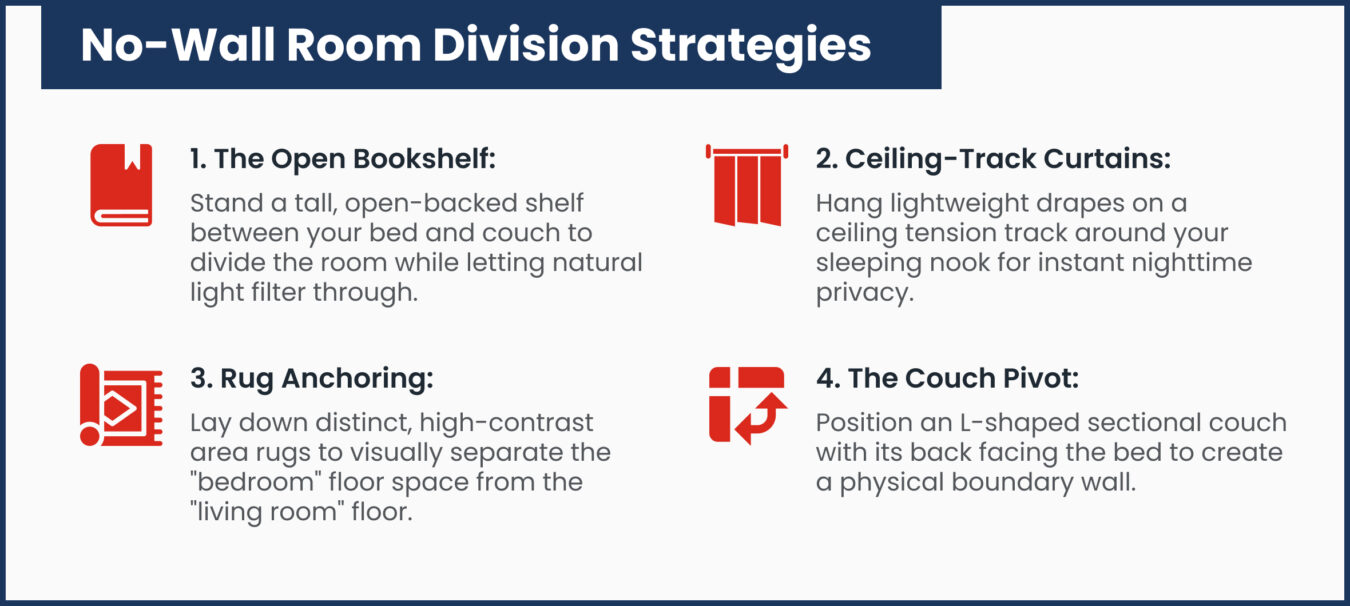
Getting comfortable in a studio is less about the square footage and more about how intentionally you use it. These strategies make a noticeable difference:
- Create zones with purpose: Area rugs, curtain dividers, folding screens, or even the placement of a bookshelf can define separate sleeping, living, and working areas—no walls required.
- Choose multi-functional furniture: Storage beds with drawers underneath, lift-top coffee tables, and drop-leaf dining tables all pull double duty. If you’re setting up a place on a tight budget, these tips for furnishing a new apartment affordably are worth a look.
- Go vertical with storage: Tall bookshelves, wall-mounted shelves, over-the-door organizers, and hooks put unused vertical space to work—freeing up the floor for actual living.
- Adopt a daily reset routine: Because everything in a studio is visible, spending 10 minutes each evening putting things back where they belong keeps the space feeling functional instead of chaotic.
Don’t underestimate the power of personal touches, either. Even small things like seasonal decorations can make a compact apartment feel genuinely like home.
Frequently Asked Questions
What is a studio flat?
A studio flat is simply the British and international term for a studio apartment. The layout is identical—one open room combining living, sleeping, and kitchen areas, with a separate bathroom. If you see “studio flat” in a listing or article, it means the same thing as a studio apartment in US rental markets.
How many people can live in a studio apartment?
Most studios are designed for one person or a couple. The Department of Housing and Urban Development’s general guideline suggests two people per bedroom, so a studio typically accommodates up to two occupants. Local building codes can vary, though, so it’s worth checking your city’s specific rules before signing a lease.
Are studios cheaper than 1-bedrooms?
Yes, in most US markets. Studios typically rent for 20-30% less than a comparable 1-bedroom in the same building or neighborhood. Utility bills also tend to run lower because there’s simply less space to heat and cool.
Do studio apartments have a bedroom?
Not in the traditional sense. By the standard studio apartment definition, the sleeping area, living area, and kitchen all share one open room. Some studios have a recessed alcove or nook for the bed, but there are no walls or doors creating a separate bedroom.
Is a studio apartment a good first apartment?
For a lot of first-time renters, absolutely. Studios are affordable, low-maintenance, and often located in convenient areas close to work and public transit. They’re a practical starting point for learning to live independently, building a budget, and saving toward a larger space down the road.
How do I make a studio feel bigger?
A few small moves go a long way. Keep surfaces clear and declutter regularly, use mirrors to reflect natural light, and choose furniture with exposed legs so more of the floor stays visible. Sticking with a light color palette on walls and bedding helps too, and defining zones with area rugs or curtain dividers creates a sense of structure without shrinking the room.