
What Is an Apartment Inspection? A Renter’s Guide
If you’re a landlord or if you’re a tenant who’s ever received a notice that your landlord or property manager will be inspecting your rental unit soon, you may be wondering what to expect. Whether you’re moving into a new place, living in a rental long-term, or preparing to move out, understanding the inspection process

Nadiia
9 min read

If you’re a landlord or if you’re a tenant who’s ever received a notice that your landlord or property manager will be inspecting your rental unit soon, you may be wondering what to expect.
Whether you’re moving into a new place, living in a rental long-term, or preparing to move out, understanding the inspection process can help you avoid surprises and protect your security deposit. Here’s what to know about the different types of inspections, your rights as a renter, how to prepare, and what to do if you disagree with inspection findings.
TL;DR
An apartment inspection is a normal part of renting and typically serves to protect both tenants and property owners. There are four main types of inspections: move-in, move-out, routine, and maintenance. Understanding your legal rights can help ensure inspections are conducted properly.
Apartment Inspections: What to Know
When you have your apartment inspected, your landlord or property manager will check the condition of the rental unit. That’s usually done before move-in, during a tenancy, or after a tenant moves out.
The reason they’ll inspect the property varies depending on where the unit is in the rental process. For example, some inspections document the unit’s condition, others identify maintenance needs, and others address safety concerns or lease violations. In most cases, an inspection is a routine part of the process, not a confrontational experience.
As a renter, it’s really important that you understand the purpose of an apartment inspection, as it can reduce your stress and help ensure you’re prepared. While every property operates differently, most renters encounter four primary inspection types: move-in, routine, maintenance, and move-out.
The 4 Types of Apartment Inspections
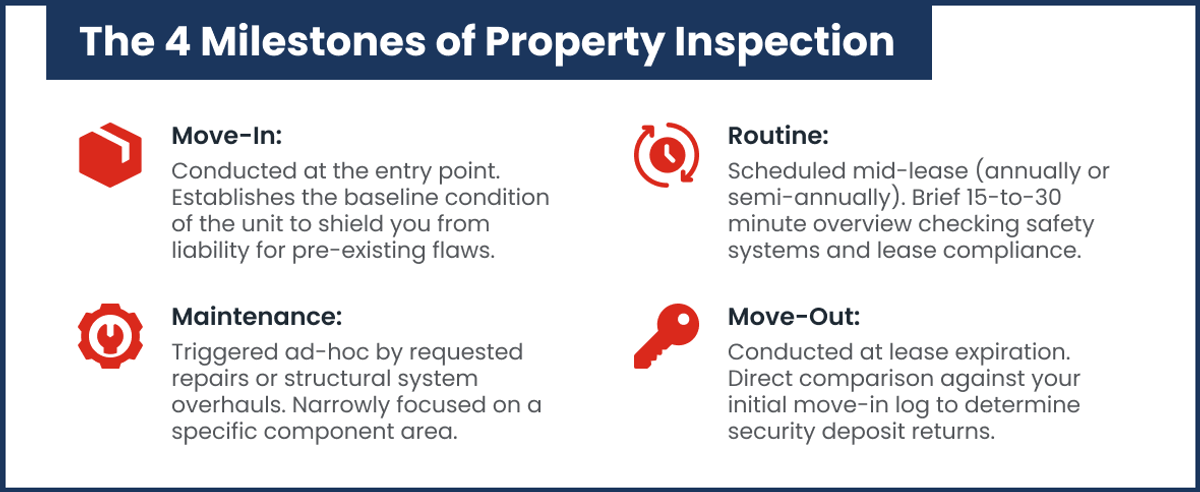
Most renters will experience four common types of inspections during their tenancy.
Move-in inspections occur before or shortly after a tenant takes possession of a rental unit. Their purpose is to document the property’s condition before occupancy begins.
Routine or periodic inspections occur during your lease term, and your landlord typically conducts them annually or semi-annually to ensure the property is in good condition and to identify any maintenance issues that need to be addressed.
Maintenance inspections happen when repairs are requested or when building systems need evaluation. These inspections often focus on a specific issue rather than the entire unit.
Move-out inspections occur when a tenant vacates the property and help determine whether any damage deductions will be taken from the security deposit.
Some landlords also conduct exterior drive-by reviews of the property. However, these are generally not considered full inspections because they don’t involve entering the rental unit.
Importance of Move-In Inspections for Renters
A move-in inspection may be the most important apartment inspection you’ll experience. This inspection establishes the property’s baseline condition and can protect you from being charged for pre-existing damage when you move out. After the tenant screening and lease signing are complete, you’ll have a walkthrough. During the walkthrough, carefully document every issue you notice, no matter how minor it may seem.
A typical apartment inspection checklist includes areas like:
- Walls, ceilings, and paint
- Flooring and carpets
- Windows and screens
- Doors and locks
- Appliances
- Plumbing fixtures
- Smoke and carbon monoxide detectors
- Cabinets and countertops
- Electrical outlets and lighting
After an inspection, make sure you ask for a written report and keep a copy for your records. It’s also a good idea to take your own timestamped photos and videos of every room. That way, if there’s a dispute later, you can use your documentation to provide valuable evidence regarding the unit’s original condition.
Routine Mid-Lease Inspections
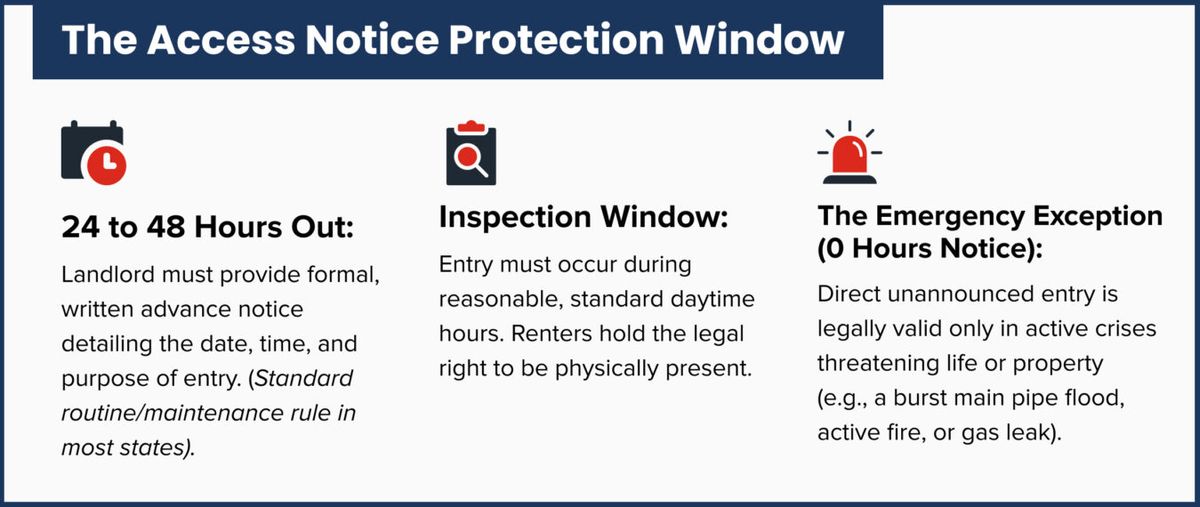
Routine inspections are designed to ensure the property remains safe, well-maintained, and compliant with lease terms. Most landlords conduct mid-lease inspections once a year, but some properties have them every six months. Before they can go into your unit, landlords generally have to give you written notice. Depending on the state, the notice period ranges from 24 to 48 hours.
During a routine inspection, landlords look for specific issues like unauthorized occupants or pets, smoking, safety hazards, water leaks, property damage, and general maintenance concerns. The goal is usually preventative rather than punitive, and identifying small issues early can prevent costly repairs later.
Most routine inspections are relatively brief. For a standard apartment, landlords often spend only 15 to 30 minutes reviewing the unit before moving on to the next property.
Maintenance and Emergency Inspections
A maintenance inspection occurs when a repair issue needs evaluation or follow-up. Tenant maintenance requests, plumbing leaks, electrical concerns, HVAC problems, pest issues, or building-wide system upgrades commonly trigger these inspections. Unlike routine inspections, they generally focus on a specific area of the unit.
Examples include investigating water leaks, checking the performance of the HVAC system, ensuring smoke detectors work, reviewing plumbing repairs, and addressing any mold concerns.
Before the inspection, document the problem and any visible damage with photos. This creates a record of the issue and may be useful if repairs are delayed.
Your landlord might have the right to enter your unit without notice in an emergency, such as a fire, flood, gas leak, or major structural issue. The laws on emergency entry are state-specific, but generally, the exception applies only to situations requiring immediate action to protect life or property.
Move-Out Inspection: How to Maximize Your Deposit Return
The move-out inspection plays a major role in determining whether you’ll receive your full security deposit back. Unlike application fees, a security deposit is generally refundable, as long as the property is in good condition when you move out. During this process, the landlord compares the unit’s current condition to the move-in inspection report, and any damage beyond normal wear and tear may result in deductions.
To increase your chances of a full refund, take time to clean the apartment thoroughly, patch any minor wall holes if allowed, remove all your personal belongings, replace any burned-out light bulbs, and address minor damage where appropriate. Also, don’t forget to return your keys and any access devices, like garage door or gate openers.
Many landlords offer a pre-move-out walkthrough, which can help you spot concerns before your final move-out date. That gives you a chance to correct issues that could otherwise result in charges.
Understanding responsibility for damages is also important, and most states require landlords to provide itemized statements explaining any deductions from the security deposit. Review these carefully and compare them to your move-in documentation.
How Long Do Apartment Inspections Take?
One of the most common questions renters ask is: ” How long do apartment inspections take?” The answer depends on the type of inspection and the size of the property.
Typical timelines include:
- Move-In Inspection (30 to 60 minutes): This inspection should be thorough, and renters should participate in the entire walkthrough.
- Routine Inspection (15 to 30 minutes): These inspections generally focus on overall property condition and lease compliance.
- Maintenance Inspection (15 minutes to 2 hours): The duration depends on the complexity of the issue being evaluated or repaired.
- Move-Out Inspection (30 to 45 minutes): Landlords typically review the entire unit and compare it against previous inspection records.
In many states, tenants have the right to be present when a landlord is inspecting a property. Attending allows you to ask questions, document findings, and address concerns right away.
Your Apartment Inspection Checklist: A Quick Renter’s Guide
Preparing for an inspection doesn’t have to be stressful. Instead of worrying about whether you might have missed something, use this apartment inspection checklist before inspection day:
- Clean and declutter all rooms
- Test smoke and carbon monoxide detectors
- Secure window screens
- Replace burned-out bulbs
- Address minor maintenance issues
- Remove trash and excess debris
- Confirm lease compliance
- Secure pets if necessary
- Ensure access to maintenance areas
- Gather documentation for reported issues
It’s also a good opportunity to create a list of property concerns that need attention. Problems such as slow drains, broken appliances, malfunctioning HVAC systems, or plumbing leaks should be discussed during the inspection.
Know Your Rights: What to Do During an Apartment Inspection
Understanding your legal rights can help ensure inspections are conducted properly. Although landlord-tenant laws vary by state, renters generally have the right to:
- Advance written notice before entry
- Be present during inspections
- Reasonable inspection hours
- Privacy and quiet enjoyment of the property
In most situations, landlords can’t simply show up unannounced. Notice requirements commonly range from 24 to 48 hours, though local regulations differ. Emergency entry exceptions are usually narrowly defined, and a landlord can’t simply label a routine visit as an emergency to avoid notice requirements.
Additionally, retaliatory inspections are illegal in many jurisdictions. In other words, a landlord can’t use inspections to harass or punish you for exercising legal rights, filing complaints, or requesting repairs.
What to Do If You Disagree with an Inspection Finding
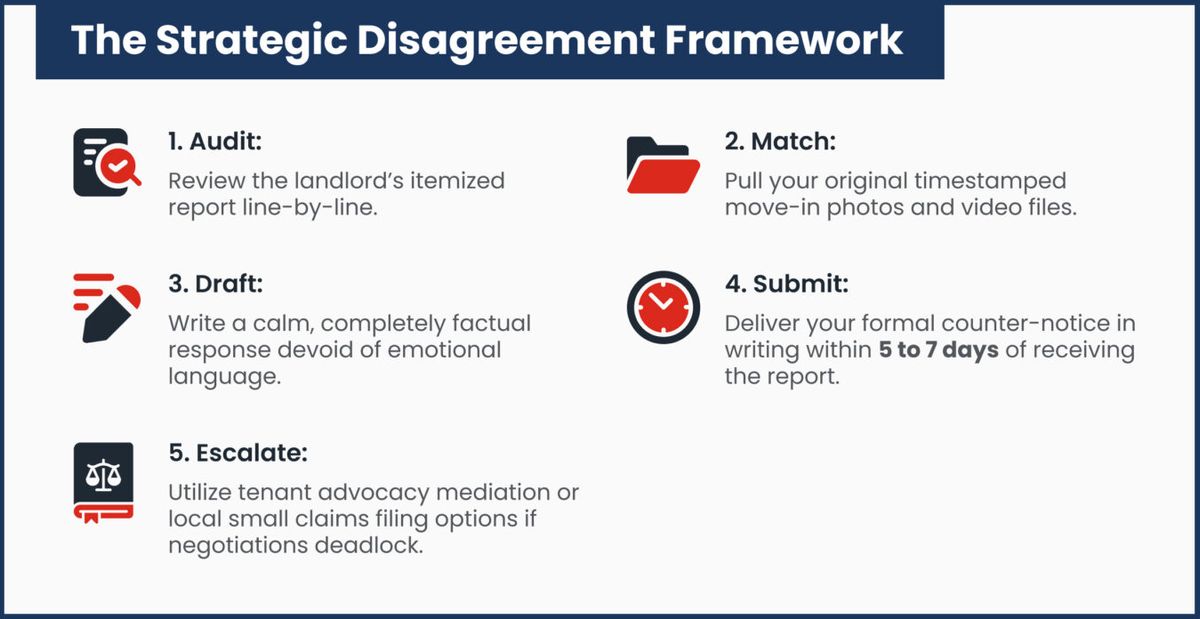
If you believe an inspection report is inaccurate, respond promptly and professionally. Written communication creates a clear record of your position. You’ll want to:
- Review the inspection report carefully.
- Gather supporting photos and videos.
- Compare findings to your move-in documentation.
- Submit a written response within 5 to 7 days.
- Request clarification regarding disputed items.
If the dispute involves security deposit deductions, many states provide options through small claims court. Tenant advocacy groups and local housing organizations may also help mediate disagreements when direct communication fails. The strongest defense against incorrect findings is thorough documentation from the beginning of your tenancy.
Frequently Asked Questions About Apartment Inspections
What does inspection mean for a rental apartment?
For a rental apartment, an inspection is a review of the property’s condition. This review is handled by a landlord, property manager, or maintenance professional to document existing conditions, identify maintenance issues, confirm lease compliance, or assess security deposit deductions.
How often can a landlord inspect my apartment?
Most landlords conduct routine inspections once or twice a year, but there may be additional inspections if there are maintenance issues or when you move in or out.
Do I have to be present for the inspection?
You generally don’t need to be there during the inspection, but it’s a good idea to be. That way, you can ask questions, take notes on anything you find, and make sure to address important concerns.
Can my landlord do a surprise inspection?
Generally, no, your landlord can’t inspect your unit without warning. Most states require advance notice before a landlord enters an occupied rental unit, but there are exceptions for true emergencies, such as fires and floods.
What’s the difference between an inspection and a showing?
An inspection is all about assessing the property’s condition, and a showing is when a landlord or agent presents the unit to prospective renters or buyers. Both may require notice, depending on your local laws.
What if I don’t allow my landlord to inspect?
It’s generally a violation of your lease agreement to refuse a lawful inspection. If you’ve been given proper notice, your landlord has the legal right to enter your unit for a legitimate purpose.
Share this article
More articles
 Tenants
How to Rent an Apartment: Total Step-by-Step Guide
Figuring out how to rent an apartment or house for the first time can be an exciting and overwhelming experience. To make the process as easy as possible, it’s important to be prepared and to know what to expect. Getting Started: Renting an Apartment for the First Time Renting your first place is a major
Anna L.
 Tenants
What Do Apartments Look For in Background Checks?
If you’re currently apartment hunting, you know it’s common to send multiple applications before finding the right apartment and moving in. With each application, you also generally submit a background check and pay an application fee at some point. But what do apartments look for in background checks? And why do they need to do
Nadiia
 Tenants
Locked Out of Your Apartment? Here’s What to Do
Getting locked out of apartment buildings is scary, especially late at night. Panic is a common response, but it usually doesn’t help the situation, and it can make it more difficult to think clearly. In this guide from Rentler, you’ll find step-by-step instructions for if you’re locked out of the house: what to do, who
Nadiia